
Table of Contents
- Choose a Trained Piercing Professional
- Select Safe Earrings for Children
- Child Ear Piercing Aftercare: What Works
- Frequently Asked Questions
Last Updated: October 15, 2026
Choose a Trained Piercing Professional
Your first decision is the most important one: choosing who performs your pediatric ear piercing. This choice affects everything that follows, infection risk, healing time, jewelry fit, and your child’s comfort during the process.
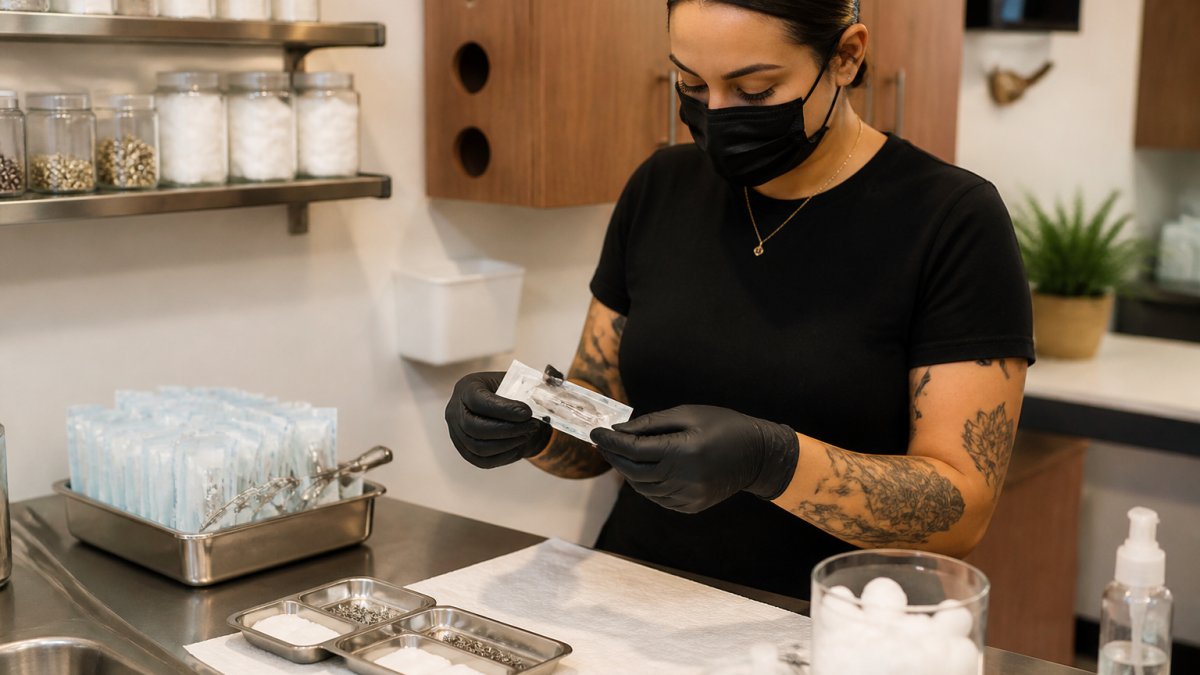
A trained piercing professional uses sterile equipment, follows proper technique, and understands pediatric anatomy. They know how children respond to the procedure and can keep them calm. Professional body piercing services prioritize anatomy and comfort for every client, especially children.
Look for a piercer who:
- Uses a sterile needle (not a piercing device)
- Wears fresh gloves and uses new, unopened jewelry
- Explains each step before doing it
- Has experience with pediatric ear piercing
- Works in a clean, professional studio
Ask questions about their training and sterilization process. A good piercer welcomes these questions. They want you to feel confident in your choice.
Select Safe Earrings for Children
The jewelry you choose determines how well the piercing heals. Wrong material or poor fit causes irritation, infection, and scarring.
Hypoallergenic starter earrings matter. Your child’s ears are sensitive. Nickel-containing metals trigger reactions in many children. Choose earrings made from:
- Surgical stainless steel (nickel-free)
- Titanium
- Gold (14K or higher)
- Implant-grade materials
The earring post must fit properly. Too tight causes swelling. Too loose allows bacteria inside. A trained piercer measures your child’s earlobe and selects the right size.
Keep starter earrings in for the full healing period. Changing them too early reopens the wound. Your piercer will tell you when it’s safe to switch.
Child Ear Piercing Aftercare: What Works
Aftercare determines whether healing goes smoothly or complications develop. Clean twice daily with a saline solution or mild soap and water. This removes bacteria and dried lymph.
Cleaning routine:
- Wash your hands before touching the piercing
- Use a clean cotton ball or pad
- Gently wipe the front and back of the earlobe
- Pat dry with a clean tissue
- Do this morning and night
Keep hair away from the piercing. Hair traps bacteria and pulls on the jewelry. Have your child tie it back or wear a headband.
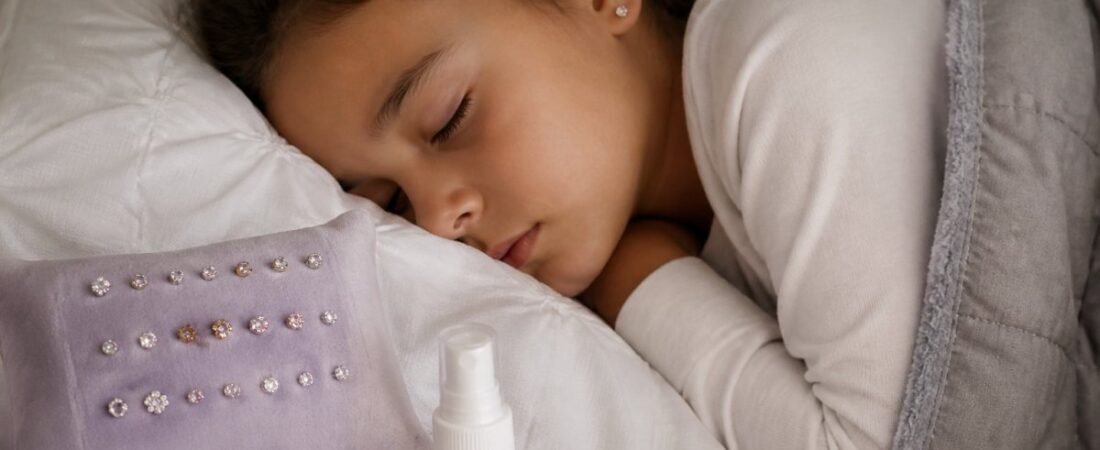
Can I let my child sleep on a new ear piercing? No. Sleeping on the piercing puts pressure on healing tissue and can cause irritation or uneven healing. Have your child sleep on the opposite side or use a travel pillow with a cutout for the first few weeks.
Avoid touching the earrings with unwashed hands. Swimming and sports irritate healing tissue. Wait until your piercer says it’s safe to resume these activities, usually after four to six weeks.
Watch for signs of infection: redness, swelling, warmth, discharge, or pain that gets worse. If you notice these, contact your piercer or pediatrician right away. Infections need prompt care to prevent scarring.
How long does it take for an ear piercing to heal? Most ear piercings heal in six to eight weeks. Healing happens from the inside out. The surface looks healed before the interior fully closes. Keep following aftercare even when it looks done.
Frequently Asked Questions
Can my child sleep on a new ear piercing?
It’s best to avoid sleeping on a new ear piercing for the first 4-6 weeks while it heals. Pressure and friction from sleeping can irritate the piercing, increase swelling, and slow healing. Use a travel pillow or sleep on your back if possible. Once the initial healing phase passes, occasional contact becomes less risky, but continued care remains important during the full healing window.
What should I do if my child’s ear piercing looks infected?
Watch for signs of an infected ear piercing like increased redness, warmth, swelling, pus, or foul odor. If you notice these symptoms, stop rotating the earring and clean gently with mild soap and water twice daily. If symptoms worsen, don’t improve within a few days, or your child develops fever, contact your pediatrician or the piercing professional. A trained piercer can also assess whether the jewelry needs adjustment or if medical attention is needed.
What jewelry is safest for a child’s first ear piercing?
Safe earrings for children should be hypoallergenic, nickel-free, and made from implant-grade materials like surgical stainless steel or titanium. Avoid plated jewelry, which can flake off. Choose earrings with secure backs that won’t fall off during play. Starter earrings should have smooth posts and small, lightweight designs. A professional piercer will recommend the best options and can discuss jewelry choices that minimize irritation and support healthy healing.
Getting your child’s ears pierced safely takes planning and the right professional. A trained piercer, quality jewelry, and consistent aftercare prevent most complications. We’re here to answer your questions about the process. Call or text us at (858) 222-0071 to discuss your child’s piercing and learn how we make the experience comfortable and safe.