Table of Contents
- Keloid vs Piercing Bump: How to Tell What’s on Your Ear
- How Long Do Piercing Keloids Take to Grow?
- Piercing Aftercare Saline and Other Habits That Lower Your Risk
- Frequently Asked Questions
Last Updated: October 17, 2026
Keloid vs Piercing Bump: How to Tell What’s on Your Ear
A keloid is a raised scar that grows beyond the original wound; a bump from body piercings is a small, localized reaction that stays at the piercing site. Most bumps on a new piercing are not keloids.
What actually shows up on your ear:
- Irritation bump: red, small, tender, from movement, touching, or sleeping on it.
- Hypertrophic scar: raised but stays inside the wound area; often settles on its own.
- Keloid: firm, shiny, keeps growing past the piercing site.
- Infection: hot, swollen, throbbing, sometimes with pus.
Early on they look identical, size and behavior over time tell you more than appearance.
Do not remove jewelry from a suspected infection on your own. The hole can close over the infection and trap it. See a doctor first.
How Long Do Piercing Keloids Take to Grow?
Piercing keloids usually start weeks to months after piercing and keep growing slowly; a regular piercing bump shows up within days, then holds steady or shrinks. A keloid spreads onto skin that was never injured, firm, rubbery, shiny, sometimes itchy, while a piercing bump often follows a trigger like sleeping on that side or snagging jewelry.
How to track it:
- Week 1-2: most bumps are irritation, not keloids.
- Week 3-6: shrinking means you’re on track.
- Month 2-3: still growing past the piercing site? Get it looked at.
People with a family history, darker skin tones, and prior keloids are more likely to develop them, tell your piercer if keloids run in your family.
Take a photo of the bump every week with the same lighting and angle. Comparing photos side by side tells you more than staring at it in the mirror every day.
Piercing Aftercare Saline and Other Habits That Lower Your Risk
Piercing aftercare saline, a simple salt-and-water solution, is the single most reliable habit for lowering your risk with body piercings. Clean twice a day, don’t touch, don’t sleep on it.
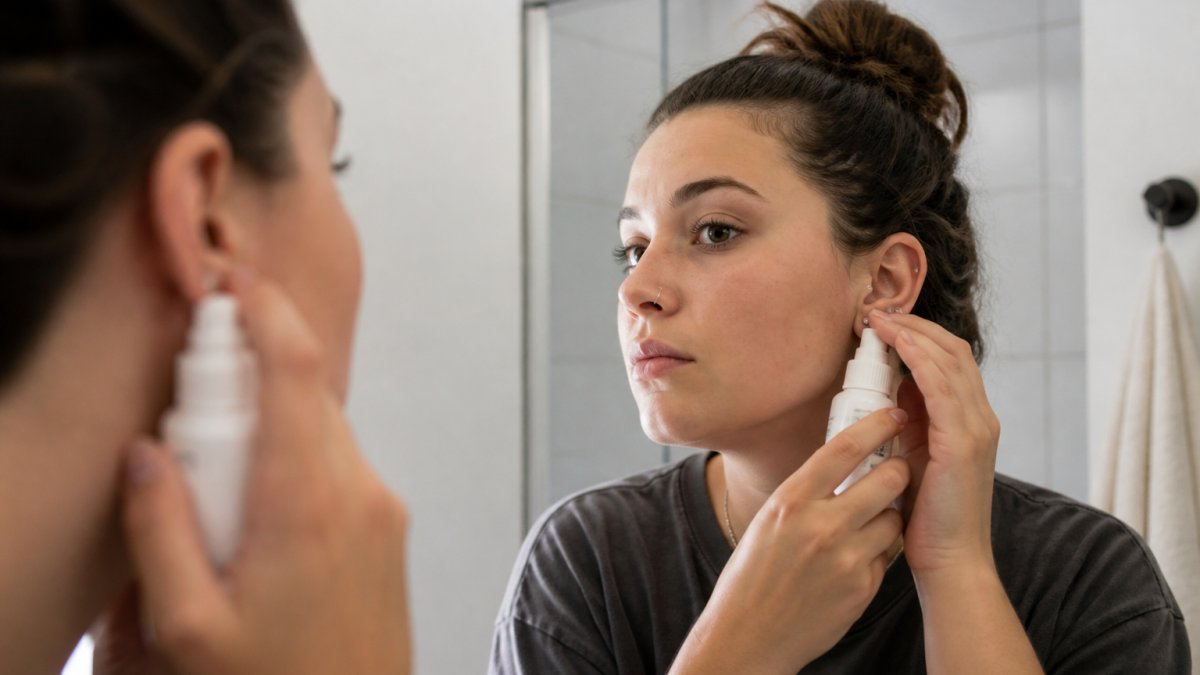
A practical aftercare plan:
- Days 1-3: spray saline twice daily. No twisting, soap, or alcohol.
- Week 1-2: keep hair back; change pillowcases often.
- Week 2-6: avoid pools, hot tubs, lakes, lotions, makeup.
- Month 2-3: leave jewelry in, no fashion swaps yet.
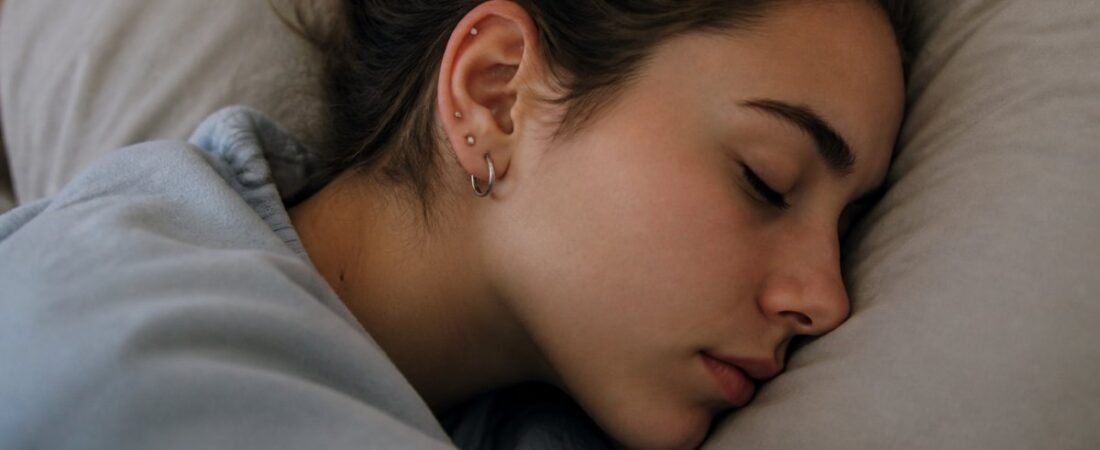
Can you sleep on a new ear piercing? Use a travel pillow or sleep on the opposite side for the first few weeks, pressure is a top trigger for irritation bumps.
See a doctor for spreading redness or heat, thick yellow or green discharge, fever or chills, or a bump still growing after the piercing is fully healed. If a keloid forms, options include silicone sheets or gel, pressure therapy, steroid injections, and sometimes surgical removal; recurrence is possible, so follow-up matters.
A smooth heal comes down to who does the piercing, what jewelry goes in, and how you care for it. At Sandiegopiercingshops, we’ve been piercing since 2002, plan every piercing around your anatomy, use quality jewelry, and give clear aftercare guidance. Call or text (858) 222-0071 to book your visit.
Frequently Asked Questions
Can I sleep on a new ear piercing while it heals?
Try not to sleep on the fresh side for the first few weeks. Pressure and friction on a healing piercing site can irritate the tissue and slow wound healing, which raises your risk of a bump forming. Sleep on the opposite side, or use a travel pillow with your ear in the hole so nothing presses on it. If you wake up on it once, don’t panic, just avoid making it a habit.
Can I get a piercing if keloids run in my family?
A family history of keloids is one of the strongest risk factors, so tell your piercer before anything is marked or pierced. They can talk through piercing site options, such as the earlobe instead of cartilage, and explain what to watch for during healing. Some people with keloid-prone skin still heal fine, but the risk is real and worth discussing with a dermatologist first if keloids run in your family.
How can you tell a keloid from a piercing bump?
A piercing bump from irritation usually stays close to the jewelry, may crust or drain, and shrinks once the cause is fixed. A keloid is raised scar tissue that keeps growing past the original wound, often feels firm, and can itch or feel tender. It won’t go away on its own with better aftercare. If a bump keeps expanding for weeks, see a dermatologist for an assessment.