
Last Updated: November 12, 2026
Quick Summary
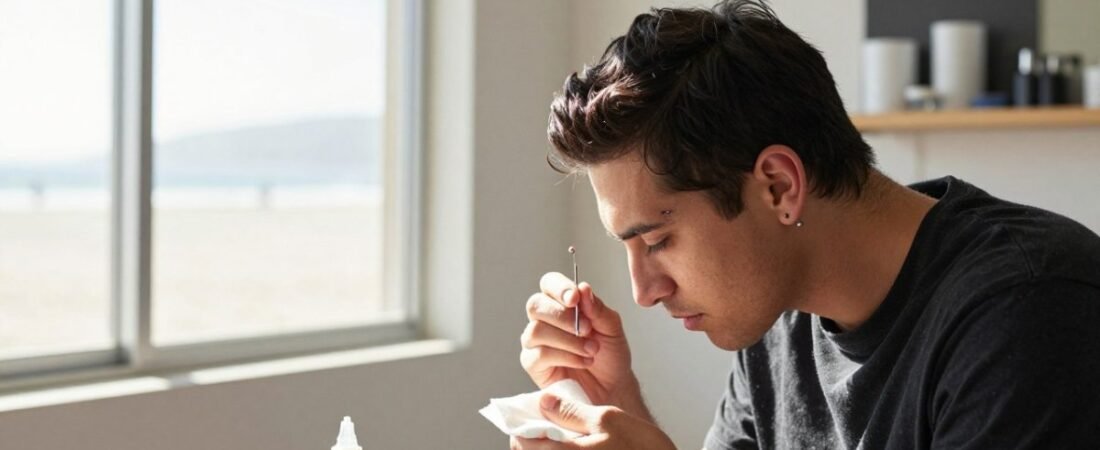
Avoid irritation bumps by cleaning your piercing with sterile saline twice a day, drying it gently, and keeping your hands off it completely. Also remove friction from hair, glasses, headphones, and sleeping on that side, since ongoing pressure and moisture are what keep the bumps coming back.
- Sleep on the opposite side or your back, or use a travel pillow with a hole for your ear.
- Swap to a clean pillowcase every few days and keep hair pulled back away from the piercing.
- Skip earbuds and over-ear headphones on the pierced side while it heals.
- A soft bump that shrinks with care is an irritation bump; a firm lump that keeps growing is a keloid.
- If the jewelry feels tight, have a professional piercer check the fit.
Table of Contents
- What Causes Irritation Bumps on Piercings (and How to Stop Them)
- Sleeping on a New Ear Piercing: Why It Causes Bumps and How to Avoid It
- Piercing Bump vs Keloid: How to Tell the Difference
- Frequently Asked Questions
What Causes Irritation Bumps on Piercings (and How to Stop Them)
Irritation bumps are raised lumps next to a piercing caused by ongoing tissue aggravation. The same culprits tend to cause them: friction from hair, glasses, or headphones, pressure from sleeping on that side or tight jewelry, trauma from snagging or twisting, trapped moisture, and product residue.
The fix is boring: clean with sterile saline twice a day, dry gently, and keep hands off. If the jewelry feels tight, a professional piercer can check the fit. For a daith bump, see our guide to Professional Daith Piercing in Pacific Beach for anatomy, placement, and jewelry selection. For professional piercing services, see our body piercing page.
Association of Professional Piercers aftercare guidance
Sleeping on a New Ear Piercing: Why It Causes Bumps and How to Avoid It
Sleeping on a new ear piercing can irritate it, since pillow pressure pushes the jewelry into healing tissue all night (Aftercare Minors).
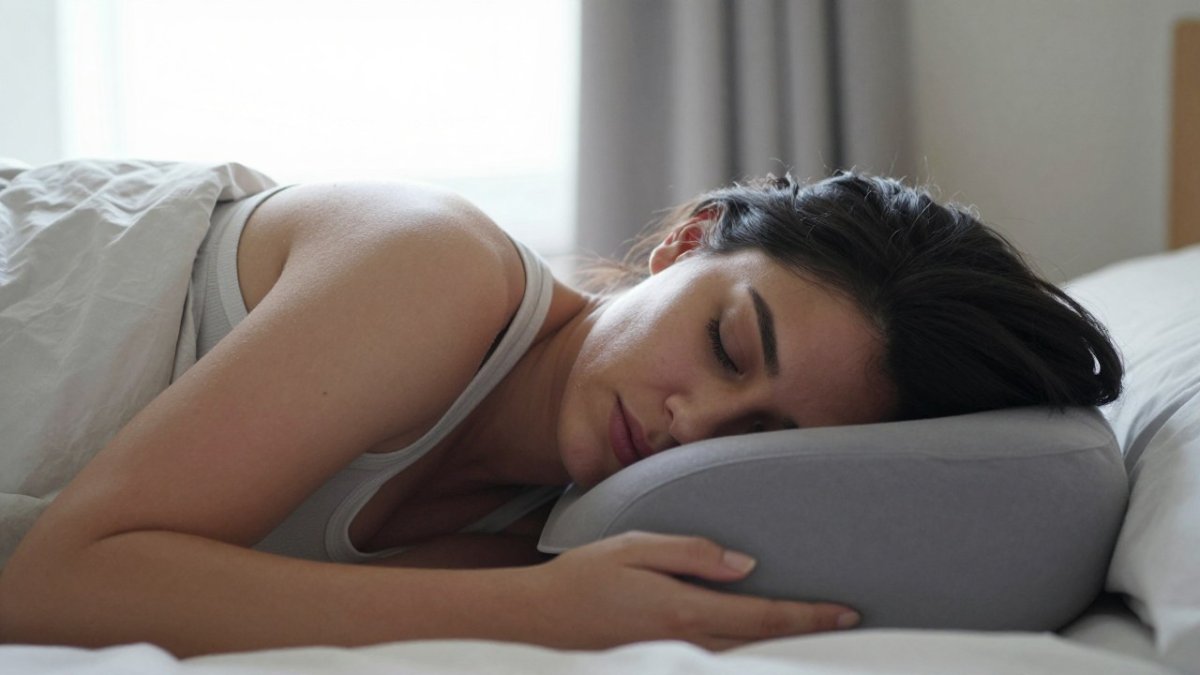
Sleep on the opposite side or your back, use a travel pillow with a hole for your ear, swap to a clean pillowcase every few days, keep hair pulled back, and skip earbuds and over-ear headphones on that side. If you wake up sore, you rolled onto it, get back to hands-off care and give it time. For a helix piercing, our guide to helix piercing care covers jewelry fit and healing expectations.
Piercing Bump vs Keloid: How to Tell the Difference
A piercing bump is soft, sits close to the jewelry, and shrinks as irritation fades. A keloid is firm, keeps growing beyond the original wound, and does not settle with better aftercare.
| Feature | Irritation Bump | Keloid |
|---|---|---|
| Texture | Soft, slightly tender | Firm, rubbery |
| Growth | Shrinks with care | Keeps growing |
| Response to aftercare | Improves in weeks | Little change |
If a lump is hard, spreading, or unchanged after weeks of gentle care, have a professional look at it. Our guide on what to expect at a piercing appointment walks you through an assessment.
Bumps heal fastest when the cause is removed, not when you scrub harder. If a lump is not settling, or you want the jewelry fit checked by someone who does this daily, Sandiegopiercingshops offers walk-in body piercing and aftercare advice, implant-grade jewelry selection, and anatomy-based placement checks. Call or text (858) 222-0071 and get your piercing back on track.
Frequently Asked Questions
Can I sleep on a new ear piercing?
Avoid sleeping on a new ear piercing for the first few weeks, since pressure and friction from the pillow can irritate it. If you must sleep on that side, use a travel pillow with your ear in the center hole so the jewelry doesn’t press against the mattress. Keep bedding clean and try not to roll onto the piercing during the night.
Do piercing bumps go away on their own?
Most irritation bumps shrink and disappear once you remove the cause, which usually means stopping touching, pressure, and harsh cleaning. With consistent sterile saline spray twice a day and hands-off care, bumps may improve. If a bump grows, changes color, or persists despite good aftercare, have a professional piercer check the jewelry fit and placement.
How can I tell a piercing bump from a keloid?
An irritation bump is usually soft, red, and located right at the piercing site, and it responds to removing friction and pressure. A keloid is raised, firm, and can extend beyond the original piercing site, and it does not shrink with better aftercare.
