Last Updated: October 25, 2026
Quick Summary
Dermal anchors reject when your body treats the jewelry as a foreign object and pushes it out, a process sped up by friction, pressure, and movement in areas like your chest or shoulder. Low-quality metals and inadequate aftercare during the first few weeks increase rejection risk.
- Lifting or shifting of the base above the skin is the most obvious rejection sign to watch for
- Initial healing takes 2 to 3 weeks, with full integration requiring 2 to 3 months
- Avoid sleeping on the piercing for at least 4 weeks and skip tight clothing and intense exercise during healing
- Redness, tenderness, migration, and discharge all signal your body may be rejecting the anchor
- Proper aftercare and high-quality metals significantly reduce rejection risk
Table of Contents
- What Causes Dermal Anchors to Reject
- Dermal Anchor Rejection Signs You Should Know
- Dermal Piercing Healing Time and What to Expect
- Frequently Asked Questions
What Causes Dermal Anchors to Reject
Dermal anchors reject when your body pushes the jewelry out, treating it as a foreign object. Friction, pressure, and bumping speed this up, and areas that bend and move, like your chest or shoulder, reject more often than flatter spots. Low-quality metals can trigger sensitivity, and proper aftercare for sensitive piercings during the first few weeks prevents many rejections.
Dermal Anchor Rejection Signs You Should Know
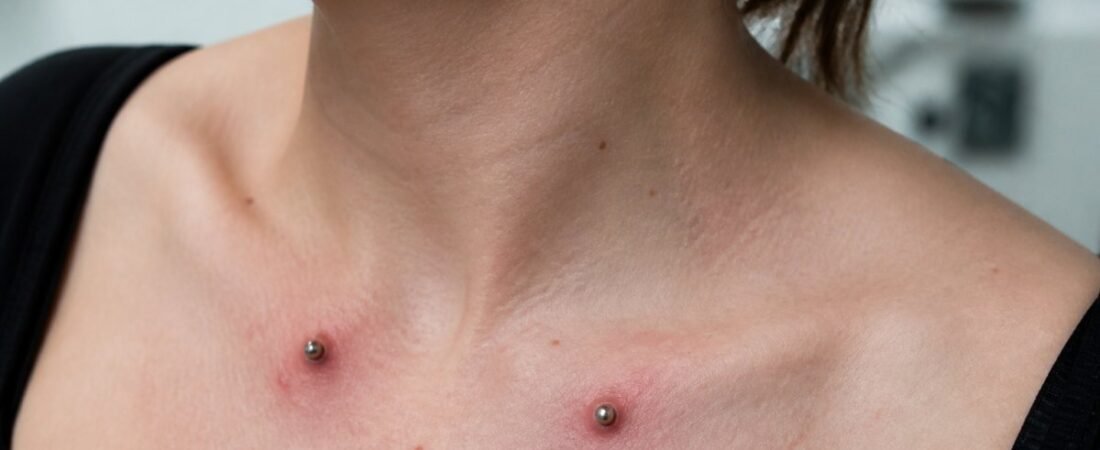
Catching rejection early gives you more options. Lifting or shifting is the most obvious sign: the base rises above the skin and jewelry that sat flush now sticks up. Redness and tenderness are common, and the skin may feel warm or painful. Migration means the anchor moves across your skin, so the hole shifts. Discharge or oozing, clear fluid, light bleeding, or crusting, signals inflammation as your body tries to expel the jewelry. Irritation from friction or metal sensitivity looks similar, but irritation improves with better care while dermal anchors reject and keep progressing despite good aftercare. Learn how to distinguish rejection from infection and other complications. If you notice any of these changes, book a professional piercer to assess the situation.
American Academy of Dermatology guidance on body modifications
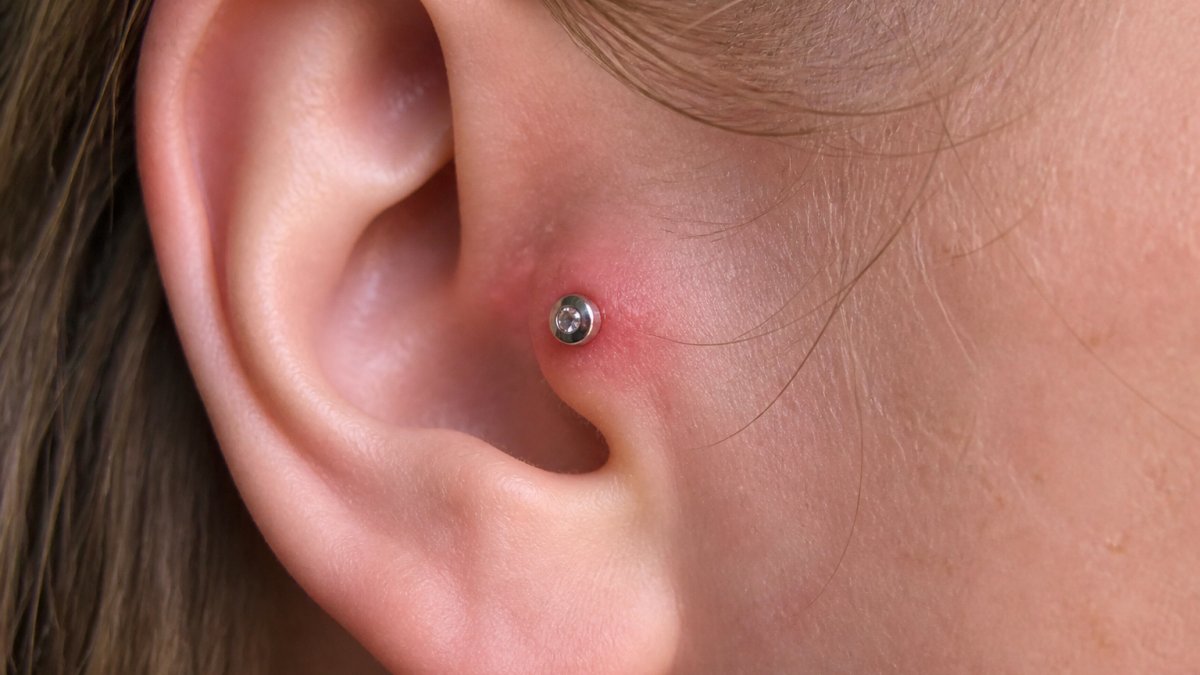
These changes signal that your dermal anchor may be rejecting and need professional assessment.
| Sign | What It Looks Like | What It Means |
|---|---|---|
| Lifting or shifting | Base rises above skin, jewelry no longer flush | Body pushing anchor out |
| Redness and tenderness | Warm, painful, inflamed skin around anchor | Inflammation and rejection |
| Migration | Anchor moves across skin, hole shifts | Jewelry traveling through tissue |
| Discharge or oozing | Clear fluid, light bleeding, or crusting | Body attempting to expel jewelry |
Dermal Piercing Healing Time and What to Expect
Initial healing takes 2 to 3 weeks, and full integration takes 2 to 3 months. Weeks 1-2: swelling, redness, and tenderness peak, keep the area clean and dry and avoid pressure. Weeks 3-4: swelling decreases and redness fades. Weeks 5-12: the anchor integrates with your skin and you can return to normal activities, though gentle care still matters. Your body’s response, the placement, and how well you follow aftercare all affect your timeline.
Wound healing timeline from National Institutes of Health shows that skin integration happens in phases, and dermal anchors follow similar biological patterns.
What to avoid during healing: sleeping on the piercing for at least 4 weeks, touching or rotating the jewelry, submerging in water, tight clothing, and intense sweating exercise.
Journal of Clinical and Aesthetic Dermatology on body piercing complications documents that proper aftercare reduces rejection risk significantly.
Frequently Asked Questions
Can sleeping on a dermal anchor cause rejection?
Yes. Repeated pressure from sleeping on a dermal piercing can cause friction and trauma to the skin tissue around the anchor base. This ongoing irritation stresses the piercing site and increases rejection risk. Try to sleep on your back or the opposite side during healing and even after the piercing feels settled. Protect the area with a bandage if you tend to roll onto it at night.
What’s the difference between dermal anchor rejection and irritation?
Irritation causes temporary redness and tenderness that responds to better aftercare. Rejection is when your body actively pushes the anchor toward the surface, you’ll see the jewelry lifting, migration, or shifting position over time. Irritation is reversible; rejection is your body’s way of expelling a foreign object. If you notice the anchor moving or becoming more visible, seek professional guidance.
How long does a dermal piercing take to fully heal?
Most dermal anchors take 6 to 12 weeks to establish, though the skin may feel settled sooner. Complete healing of the dermis layer can take several months. During this time, the anchor is most vulnerable to rejection if exposed to friction, pressure, or trauma. Avoid snagging the jewelry or sleeping on it during the first two months, and follow your piercer’s aftercare protocol closely.
Dermal anchor rejection is preventable with the right care and placement. If you’re considering a dermal anchor, work with an experienced professional who understands anatomy and healing. Watch for early warning signs and address changes quickly. The better you care for your anchor during healing, the longer it will stay put.
