
Last Updated: November 4, 2026
Quick Summary
For new piercings, implant-grade titanium is the safest metal, since it is generally considered low-nickel and resists corrosion while the skin is still healing. Stainless steel can also work, but only if it is surgical or implant-grade and confirmed nickel-free with your piercer.
- Ask your piercer which grade the jewelry is made from before you leave the studio.
- Nickel is the most common cause of metal allergy in jewelry, so check nickel content carefully.
- Titanium is lightweight and tolerates cleaning well during the healing period.
- Keep the original jewelry in until your piercer says the piercing has healed enough to change it.
Table of Contents
- Best Metal for Piercings Sensitive Skin: Implant-Grade Titanium
- Is Stainless Steel Good for Piercings? What to Check First
- Titanium Piercing Jewelry and Your Healing Timeline
- Frequently Asked Questions
Best Metal for Piercings Sensitive Skin: Implant-Grade Titanium
If you are asking which metal is safest for a new piercing, the short answer is implant-grade titanium. If you are planning a new piercing, body piercing services are a good place to start.
Implant-grade titanium is the material most often recommended for sensitive skin. Our article on why implant grade titanium matters for piercings explains what that grade means before you choose jewelry. It is generally considered low-nickel and resists corrosion, which matters when your body is still healing around the jewelry. Ask your piercer which grade the jewelry is made from before you leave the studio.
Many people with sensitive skin notice redness or itching when cheaper metals are used. If that is your situation, titanium is usually the first option worth trying.
Is Stainless Steel Good for Piercings? What to Check First
Stainless steel can work for piercings, but not every stainless steel is the same. Some alloys contain nickel, and nickel is the most common cause of metal allergy in jewelry (the American Academy of Dermatology). Look for surgical or implant-grade stainless steel and confirm the nickel content with your piercer. Our guide on how to prevent piercing infections and irritation explains the steps that help keep a new piercing comfortable.
Before you buy, check three things: the grade stated by the seller, whether it is labeled nickel-free, and whether it is intended for initial wear. If any of these are missing, choose a different metal for a new piercing.
Titanium Piercing Jewelry and Your Healing Timeline
New piercings need time to settle, and the jewelry you choose should stay in place without causing irritation. Titanium is a common choice during the healing period because it is lightweight and tolerates cleaning well. If you are planning a cartilage piercing, see our best jewelry options for industrial piercings.
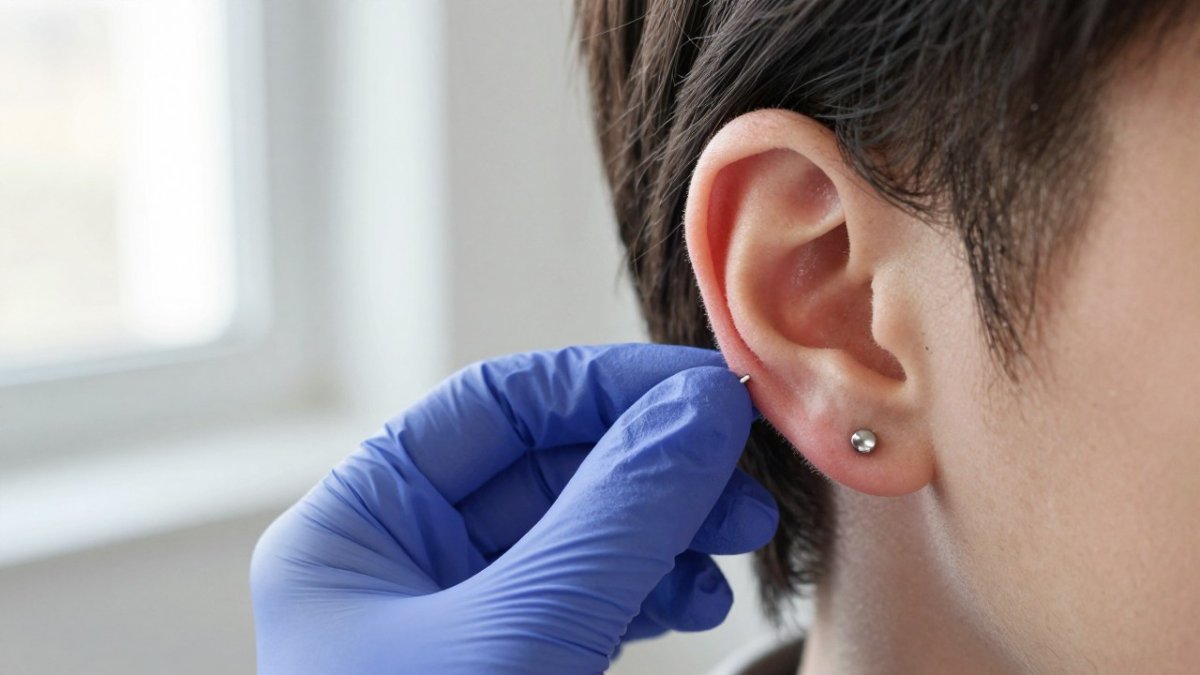
Keep the original jewelry in until your piercer tells you the piercing has healed enough to change it. Plan your next visit to the studio so the piercer can check the placement and fit. If the thought of going back makes you nervous, our page on managing piercing anxiety at your studio visit offers some help. If you have questions about how long healing takes, ask your piercer what to expect for your specific piercing.
Here is a quick look at the healing-related points covered above.
| Topic | What the article says | Practical note |
|---|---|---|
| Jewelry metal | Implant-grade titanium is generally low-nickel and resists corrosion | Ask your piercer which grade the jewelry is |
| Healing period | Titanium is lightweight and tolerates cleaning well | Keep the original jewelry in during healing |
| Jewelry change | Only when your piercer says the piercing has healed enough | Do not swap it early |
| Next step | Piercer checks placement and fit at a follow-up visit | Schedule a visit to the studio |
Frequently Asked Questions
What metal is best for a first piercing?
Ask your piercer which metal they stock, since options vary by studio. Ask your piercer which metal they stock and confirm the material is listed on the jewelry packaging before you leave the studio.
Can I wear gold in a new piercing?
You can, but choose solid gold of at least 14 karats and make sure it is nickel-free. Gold plating wears off and exposes the base metal underneath, which is often nickel. Gold-filled and gold-plated pieces are generally not recommended for fresh piercings. If you have a known metal allergy, stick with implant-grade titanium rather than gold.
Is stainless steel safe for a new piercing?
Surgical stainless steel is widely used in piercing jewelry and can be fine for many people, but it contains nickel, which causes reactions in sensitive individuals. Whatever material you choose, avoid replacing the jewelry before the piercing has fully healed, and let your piercer advise you on the right gauge and length for your placement.
